




Our News

How Alnylam’s Manufacturing Investments Bring RNAi Therapeutics to More Patients, Faster
September 30, 2025
At Alnylam, translating groundbreaking RNA interference (RNAi) science into transformational medicines for patients has required more than innovation in the lab—it necessitated a deliberate, strategic approach to drug manufacturing. It also requires that we choose the right manufacturing model: outsource, do it ourselves, or take a combined approach.
We chose the combined approach, believing that it would best enable us to scale our operations while remaining flexible to the needs of our pipeline, the market and patient needs. Early selection of this model and investment in building in-house capabilities has proven key to our success and allowed us to move scientific discoveries into the clinic faster, while efficiently manufacturing both clinical and commercial RNAi therapeutics to expand access worldwide.
Choosing a Model that Matched Our Ambitions
When our first RNA interference therapeutic clinical programs began in 2005, external manufacturing options for siRNA-based medicines were limited or unreliable – the technology was too new.
Believing deeply in the potential of our RNAi therapeutics platform, however, we recognized that we needed our own facility to pioneer the innovations that would make manufacturing medicines reliable and scalable. This led us to open our first manufacturing facility in Cambridge, Massachusetts (USA) in 2012 while selecting key partners to develop our in-house technical operations organization and manage overall manufacturing operations globally.
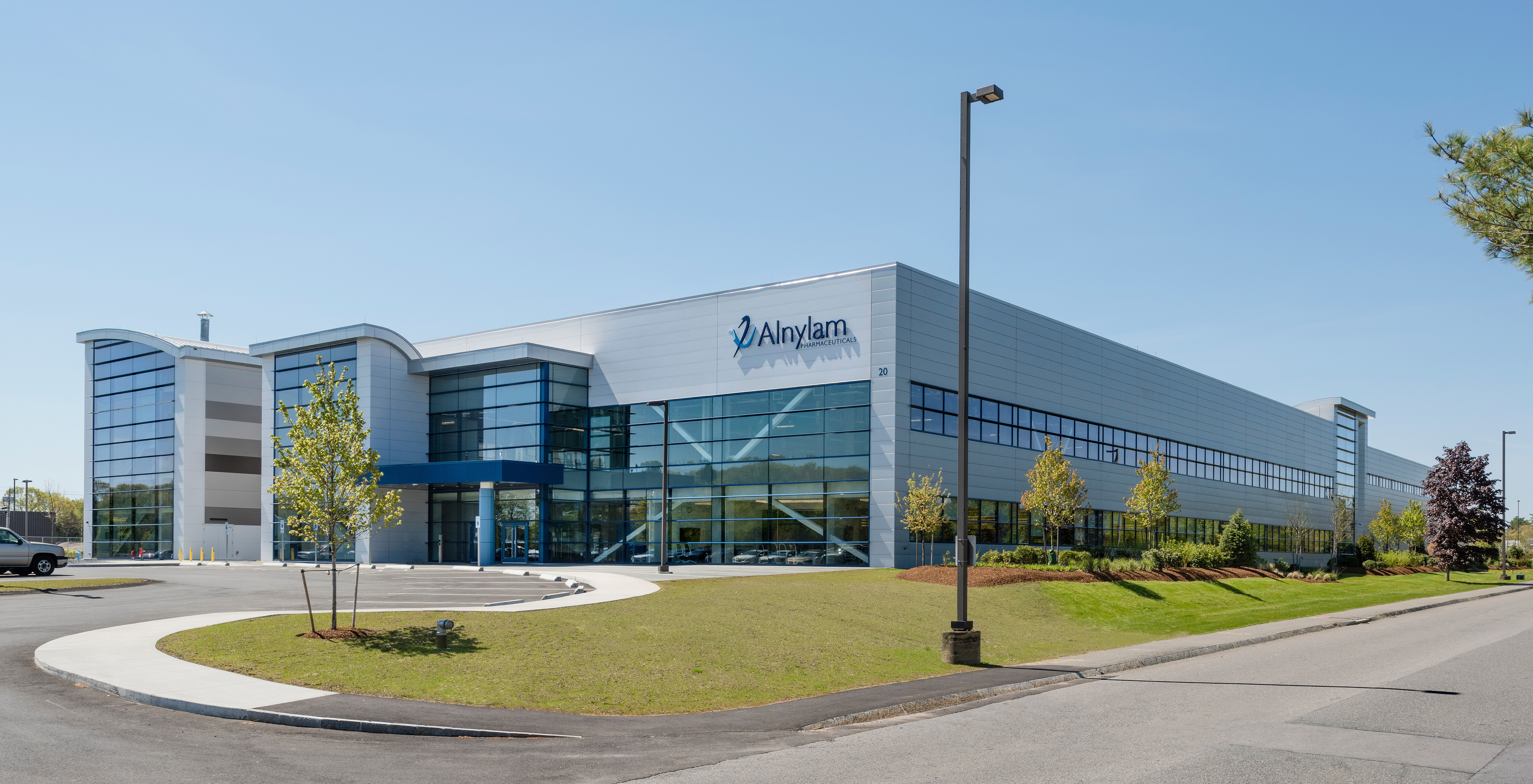 Alnylam's Norton Manufacturing Facility in Norton, MA (USA)
Making a Bet on Ourselves, Our Technology and Our Future Success
By 2016, our pipeline expanded, and several programs matured into late-stage assets. We anticipated broader needs for our manufacturing capabilities and broke ground on our Norton, Massachusetts (USA) facility for siRNA oligonucleotide bulk drug substance API manufacturing. This investment was a bold decision, because we were committing hundreds of millions of dollars before we’d even had our first positive Phase 3 trial and had no commercial products at that time.
These investments created the speed, flexibility, and technical innovation that underpin our legacy of firsts: the first FDA-approved RNAi therapeutic, ONPATTRO®, and several novel delivery platforms—including lipid nanoparticles (LNPs) and GalNAc conjugates—that set industry standards.
The Norton Effect - Flexibility and Scale Accelerate Discovery and Delivery
Norton quickly became a pipeline accelerator, allowing new tissue-targeting strategies, chemistries, and siRNA manufacturing approaches to move RNAi therapeutic drug candidates to clinical trials faster than with fully outsourced models. Norton’s flexible operational design enables us to scale production up or down without added risk, ensuring continuity for patients globally.
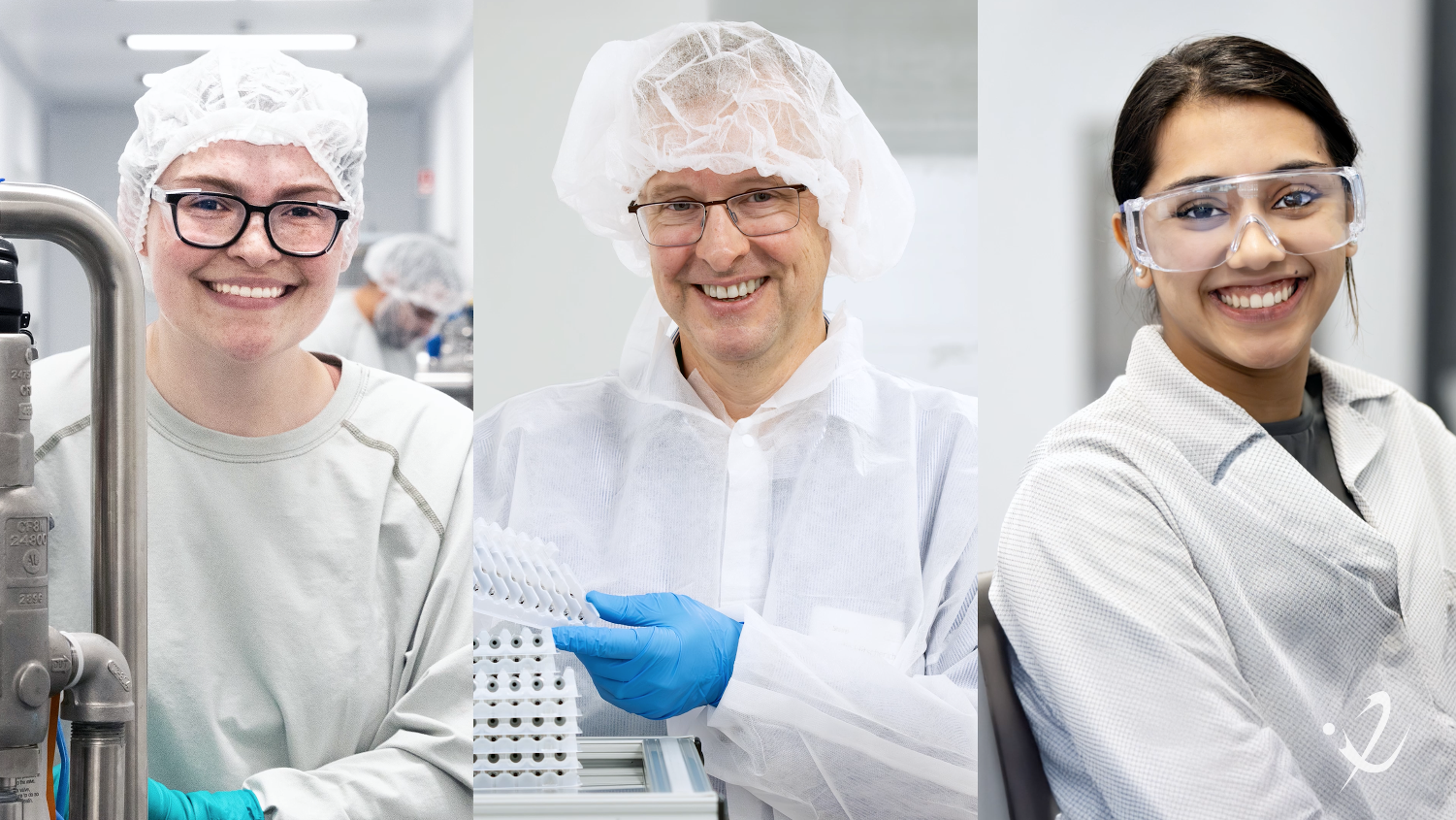 Making Our Medicines - Pioneering RNAi Therapeutics Manufacturing
Partnering to Meet Patient Need
While all our drug discovery work and RNAi therapeutics manufacturing innovation is handled in-house, we decided to strategically leverage external partnerships throughout our supply network, including finish/fill, packaging and labeling, and distribution. This approach has allowed us to meet the needs of our rapidly expanding pipeline and best serve the needs of patients in the more than 70 countries where they can access our therapies.
Building Towards the Future
Our newest advance in small interfering RNA (siRNA) manufacturing is the enzymatic ligation platform that has the potential to further extend our impact. By convergently assembling short, high-quality RNA fragments into complete molecules more efficiently than traditional methods, we can reduce use of starting materials, reliance on organic solvents, and plant time, increasing capacity in a single facility.
Alnylam’s latest approach will enable multi-metric ton capacity of drug substance, which can be relied upon as our pipeline of investigational medicines addresses more prevalent conditions such as cardiovascular and central nervous system diseases. It also broadens our ability to reach regions where conventional production would be logistically or economically challenging.
Early investment in manufacturing has been critical for Alnylam’s ability to translate Nobel Prize-winning science into real-world impact. It is the backbone that allows us to sustainably deliver RNAi therapeutics to more patients, and in a way that sets the gold standard for siRNA manufacturing.
Learn more about how Alnylam makes its medicines here, or visit our Patient Access Philosophy page to see how we ensure patients who can benefit from our therapies are able to receive them.
Want to dig deeper into the science of RNA interference?
- Click here to learn about how RNAi works and the role that proteins can play in disease
- Click here to read about how we're exploring the potential of RNAi therapeutics to tackle brain diseases with few or no treatments
- Click here to read about how we're exploring the potential of RNAi therapeutics to treat the world's leading killer - cardiovascular disease
FOLLOW US


